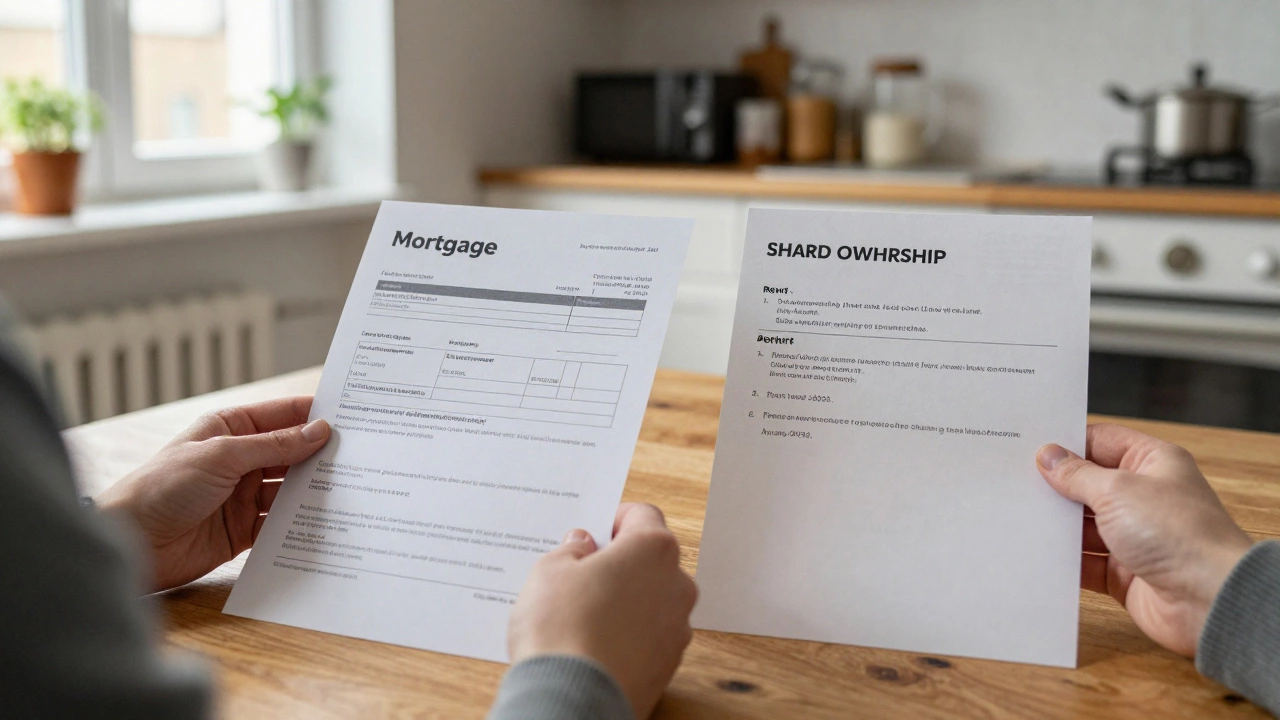
Shared Ownership – Your Simple Guide to Buying a Home Share

Ever felt the price of a full‑mortgage home is out of reach? Shared ownership lets you buy a slice of a property and rent the rest. It’s a mix of buying and renting that can get you on the property ladder faster and with less cash upfront.

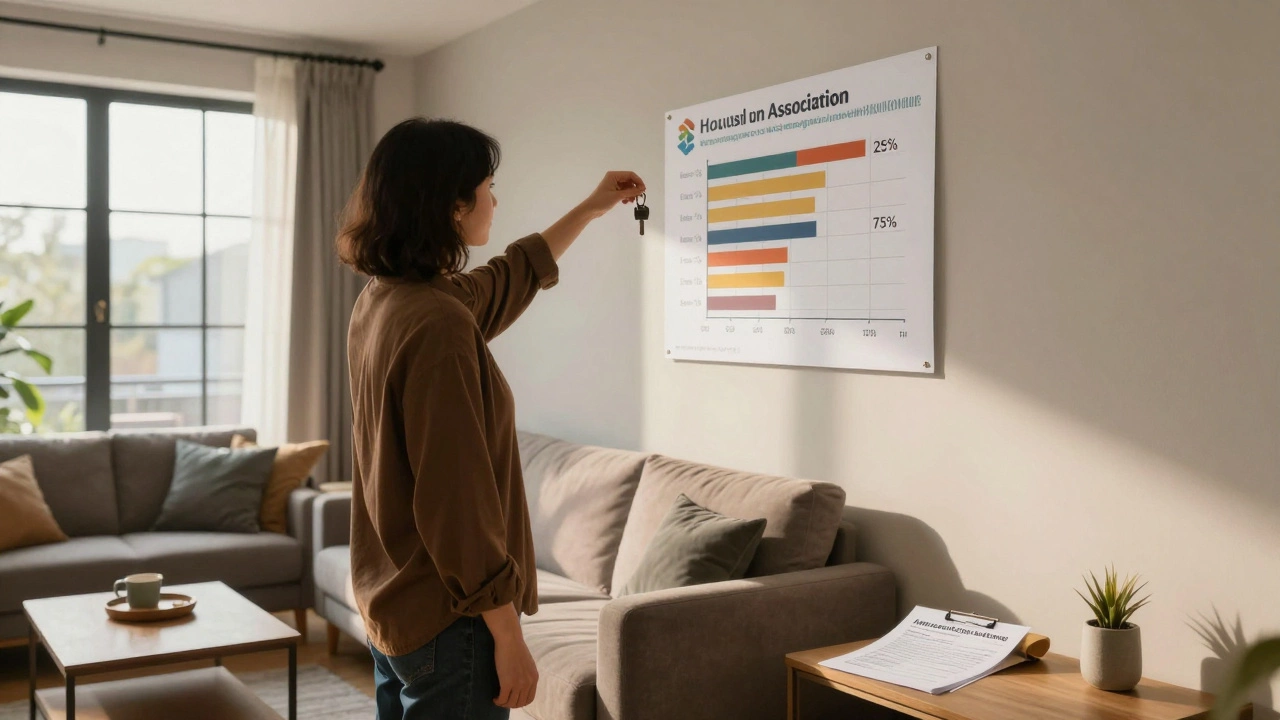
In a shared ownership deal, you purchase between 25% and 75% of a home. The remaining share stays with a housing association or another owner, and you pay rent on that part. You’ll still pay a mortgage on the share you own, plus service charges and the rent on the rest. The split can be changed later – you can buy more share when you’re ready, a process called “staircasing”.

How Shared Ownership Works

First, check if you qualify. Most schemes require you to be a first‑time buyer, an existing homeowner looking to move, or someone who can’t afford a full mortgage. You’ll also need a household income below a set limit – usually around £80,000 in England, lower in London.

Next, find a property that’s part of a shared ownership scheme. These are often listed on websites like Pring Property Solutions, where you can filter for shared ownership homes. Once you pick a property, you’ll apply for a mortgage on the share you want to buy. The lender will look at your credit, income, and the size of the share you’re purchasing.

After mortgage approval, you sign a lease‑hold agreement with the housing association. This legal document sets out your rights, the rent you’ll pay, and how you can buy more share later. It also tells you who’s responsible for maintenance – usually the association handles the common areas while you take care of the part you own.

Tips for Success with Shared Ownership

1. **Know the total cost** – Add up mortgage payments, the rent on the remaining share, service charges, and any ground rent. Use a simple calculator to see how the monthly bill will look.

2. **Plan for staircasing** – If you want to increase your ownership later, budget for the extra deposit and legal fees. Some schemes let you buy the next 10% whenever you’re ready.

3. **Read the lease carefully** – Look for clauses about subletting, selling your share, and what happens if you want to move out. You’ll usually need the association’s consent to sell.

4. **Consider resale value** – When you eventually sell, the price is based on the market value of the share you own. The association may have a right of first refusal, so be ready for that step.

5. **Watch out for extra fees** – Legal costs, valuation fees, and moving expenses add up. Ask the seller for a breakdown before you commit.

Shared ownership isn’t a magic ticket to a free house, but it can cut the deposit you need and lower your monthly mortgage. It works best when you’re clear about the rent you’ll pay on the other share and have a plan to buy more later.

If you’re ready to explore options, start by browsing the shared ownership listings on Pring Property Solutions. Use the filters, read the property details, and reach out to a sales adviser for a quick chat. They can walk you through the eligibility check, mortgage options, and next steps.

Remember, the key to a smooth shared ownership journey is doing the math early, understanding the lease, and keeping an eye on when you might want to increase your share. With the right preparation, you can turn a dream of owning a home into a realistic, affordable plan.

item-image

How Do Property Shares Work? A Simple Guide to Shared Ownership Homes

Property shares let you buy part of a home and pay rent on the rest. It's a path to homeownership for those who can't afford a full mortgage. Learn how it works, who qualifies, and how to climb toward full ownership.

Read More
item-image

What Is the Best Deed for a Married Couple? Why Shared Ownership Homes Build Stronger Futures

Shared ownership homes let married couples buy part of a home, pay lower rent on the rest, and build equity over time. It’s the smartest path to homeownership in high-cost areas like Auckland.

Read More
item-image

How Do Owners Get Paid in Shared Ownership Homes?

In shared ownership homes, owners pay rent on the portion they don't own and gradually buy more shares over time. Housing associations earn income through rent and staircasing payments, not profit. This system helps people become homeowners without full upfront costs.

Read More
item-image

What Is the Definition of Share of Ownership in Shared Ownership Homes?

Share of ownership lets you buy a percentage of a home while paying rent on the rest. It’s a realistic path to homeownership for first-time buyers in high-cost markets like Auckland.

Read More
item-image

Are Shared Equity Agreements a Good Idea for First-Time Buyers in 2026?

Shared equity agreements help first-time buyers get into the market, but they come with hidden rent costs, fees, and limited control. Is it a stepping stone-or a financial trap?

Read More
item-image

Can a Married Man Buy a House Without His Wife? What You Need to Know

A married man can buy a house without his wife, but legal rights depend on state laws, how money is used, and whether the property is kept separate. Know the risks before you sign.

Read More
item-image

How Much Do Co-Owners Make? Real Income from Shared Ownership Homes

Co-owners don't just split the mortgage-they split the profits. Learn how much co-owners actually make from shared ownership homes in New Zealand, based on equity, market growth, and real-life examples.

Read More
item-image

How Do Co-Ownership Homes Work in New Zealand?

Co-ownership lets multiple people buy a home together, making homeownership possible when you can't afford it alone. Learn how it works in New Zealand, the types of ownership, legal risks, and what to include in a co-ownership agreement.

Read More
item-image

Do You Inherit Your Parents' Timeshare? What Happens When They Pass Away

Inheriting a timeshare isn't a gift-it's often a financial burden. Learn what happens when your parents pass away, your legal options, and how to avoid costly mistakes.

Read More
item-image

What Are Three Disadvantages of Home Ownership in Shared Ownership Schemes?

Shared ownership seems like a path to homeownership, but it comes with hidden costs, strict rules, and limited control. Learn the three biggest downsides that make it harder than it looks.

Read More
item-image

Do People Still Buy Timeshares in 2025? The Real Story Behind Shared Vacation Ownership

Timeshares aren’t dead, but they’ve changed. In 2025, few buy them for the old reasons. Flexible vacation clubs and short-term rentals have taken over. Here’s who still uses them-and why most people should avoid them.

Read More
item-image

How Do I Pay Myself as a Shared Ownership Home Owner?

You can't pay yourself a salary from shared ownership, but you can build equity over time and use it to fund your future. Learn how to turn your shared home into real financial value.

Read More