
Timeshare Inheritance Cost Calculator
Calculate Your Timeshare Costs
What You Need to Know
When you inherit a timeshare, you become responsible for all ongoing fees. Most timeshares cost between $500-$1,500 annually in maintenance fees, but these can increase over time.
Ignoring the timeshare doesn't make it disappear. After 5 years, your total costs could exceed $4,000, with potential credit damage and legal actions.
Key Insight:
If you don't act, you'll pay $0 in maintenance fees, plus potential legal costs.
When your parents pass away, their timeshare doesn’t just vanish. It becomes part of their estate-and that can mean more than just a vacation spot. It could mean annual fees, maintenance costs, and legal headaches you never signed up for. Many people assume inheriting a timeshare is a gift. In reality, it’s often a financial burden wrapped in paperwork.
Timeshares aren’t like houses
A timeshare isn’t ownership of a property the way you own a house. You don’t own the building or the land. You own the right to use a unit for a specific week-or points-each year. That right is tied to a contract with a resort management company. And that contract usually lasts forever unless you cancel it. When your parent dies, that contract doesn’t expire. It gets passed to their heirs.That means if your mom had a timeshare in Queenstown, you might suddenly be responsible for paying $800 a year in maintenance fees, even if you’ve never set foot in the resort. And if you don’t pay? The management company can take legal action. They can report you to credit bureaus. They can even sue you in court. This isn’t rare. In New Zealand, timeshare resale and inheritance complaints have risen 42% since 2020, according to the Commerce Commission.
What happens if you don’t want it?
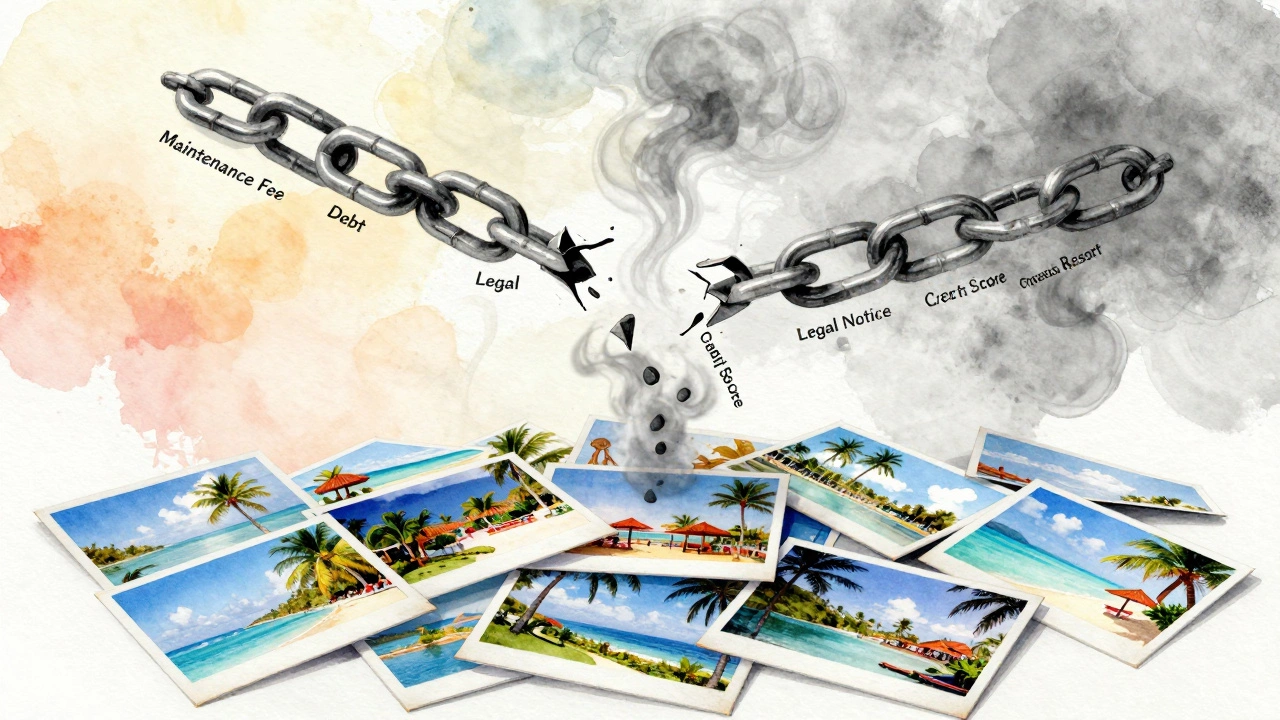
The biggest mistake people make is thinking they can just ignore it. You can’t. Ignoring a timeshare doesn’t make it disappear. The fees keep coming. The letters keep arriving. And the debt keeps growing.If you don’t want the timeshare, you have a few real options:
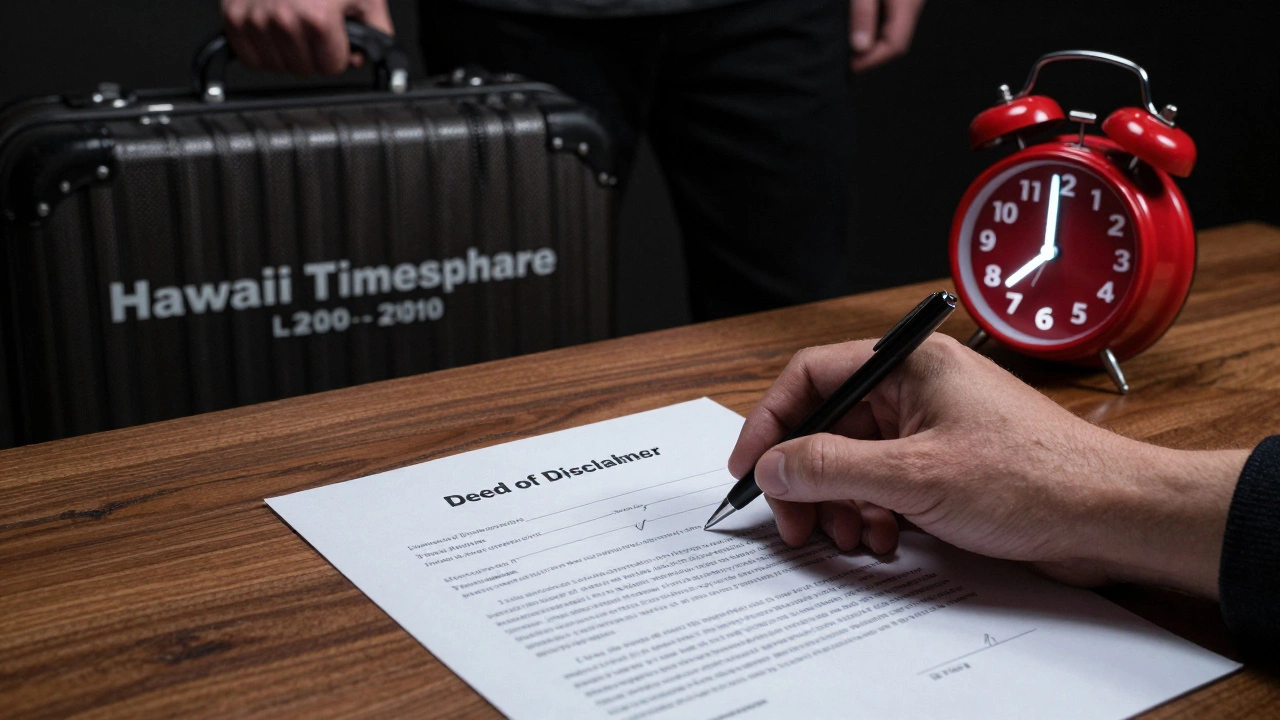
- Disclaim the inheritance. In New Zealand, you can legally refuse to accept an inheritance within six months of the person’s death. This is called a “deed of disclaimer.” You must do it in writing, and you can’t have used or benefited from the asset in any way. Once you disclaim, the timeshare goes to the next heir-or back to the resort if there’s no one else.
- Sell it. It’s hard, but not impossible. There are resale platforms like Timeshare Users Group and RedWeek. But be warned: most timeshares sell for less than $500, and you’ll pay listing fees. Some companies even charge $2,000 just to help you list it.
- Give it back. A few resorts offer “deed-back” programs. You sign over ownership, and they take it off your hands. But these are rare. Most companies won’t take it unless you pay them to cancel it.
- Stop paying. This is risky. You’ll get collection calls. Your credit score will drop. And if the resort is in the U.S., they might try to collect overseas through international debt recovery firms.
Why do timeshares get passed down so often?
Timeshares are sold as a “lifetime vacation” perk. Sales reps tell people, “You’ll have a place to go every year, for generations.” But few explain what happens when the original owner dies. The contract doesn’t say “expires at death.” It says “non-transferable” or “binding on heirs.” That’s the fine print nobody reads.Most timeshare owners are older. They bought it in the 90s or early 2000s when sales tactics were aggressive. They were told it was an investment. It wasn’t. It’s a depreciating asset-like a car you can’t sell. But because it was marketed as a family legacy, many parents didn’t think to remove it from their estate plan.
What should you do before your parents pass?
Don’t wait for a funeral to find out what’s in the estate. Talk to your parents now.- Ask if they have a timeshare. Many don’t even remember the exact name of the resort.
- Find the contract. Look for any paperwork from the resort, bank statements showing recurring payments, or emails with the word “maintenance fee.”
- Check if they’ve tried to cancel it. Some people pay for years hoping to get out-and never do.
- Ask if they’ve included it in their will. If it’s not mentioned, it may still pass to you under intestacy rules.
If they’re still alive and want out, help them explore cancellation options. There are legitimate exit companies in New Zealand that work with the Commerce Commission. Avoid any company asking for upfront fees over $500. Legit ones only get paid after they succeed.
What if the timeshare is overseas?
Many New Zealanders inherit timeshares in the U.S., Thailand, or the Philippines. That adds another layer of complexity. U.S. timeshare contracts are governed by state law. If your dad had a timeshare in Florida, the resort can take legal action in Florida courts-even if you live in Auckland.Enforcing a U.S. judgment in New Zealand is possible but expensive. The resort would need to file a claim in a New Zealand court. Most won’t bother unless the debt is over $10,000. But that doesn’t mean you’re safe. Collection agencies can still harass you. They can call your home. They can send letters. They can damage your credit if you have a U.S. bank account or credit history.
Some people think moving abroad protects them. It doesn’t. Timeshare companies know this. They’ve been chasing international heirs for over 20 years.
How to protect your own estate
If you own a timeshare, don’t leave it as a surprise for your kids. Update your will. Clearly state what should happen to it:- Do you want it sold? Name the agent.
- Do you want it donated to a charity? Some nonprofits accept timeshares for raffles or auctions.
- Do you want it disclaimed? Include instructions for your executor to file a disclaimer on your behalf.
Also, tell your executor where to find the documents. Keep copies in a secure but accessible place. Don’t rely on your memory-or your kids’ memory-to find it later.
Real stories, real costs
In 2023, a woman in Christchurch inherited her father’s timeshare in Rotorua. She didn’t know about it until she got a bill for $1,200 in unpaid fees. She tried to sell it. No buyers. She tried to give it back. The resort said no. She ended up paying $6,000 over three years just to avoid a court case. She never used it.Another man in Tauranga inherited a timeshare in Hawaii. He didn’t pay the fees. A U.S. collection agency started calling his phone. He blocked the number. They started calling his daughter’s phone. He had to change his number. He spent $1,800 on legal advice just to understand his rights.
These aren’t outliers. They’re common.
Final advice: Don’t assume it’s a gift
Inheriting a timeshare isn’t like inheriting a car or a piece of jewelry. It’s not something you can sell at a garage sale or pawn. It’s a long-term financial obligation. If you’re offered one, say no. If you’ve already inherited one, act fast. Don’t wait. Don’t ignore it. The longer you wait, the more it costs.There’s no shame in walking away. Your parents meant well. But timeshares aren’t legacy gifts. They’re traps disguised as vacations. Protect yourself. Protect your family. And if you’re unsure, talk to a lawyer who knows estate law in New Zealand. A one-hour consultation can save you thousands.
Can I refuse to inherit a timeshare?
Yes. In New Zealand, you can legally disclaim an inheritance within six months of the person’s death by signing a formal deed of disclaimer. You must not have used or benefited from the timeshare in any way. Once you disclaim, the timeshare passes to the next heir or reverts to the resort. This is the cleanest way to avoid liability.
Do I have to pay maintenance fees if I inherit a timeshare?
Yes. Once you inherit, you become legally responsible for all ongoing fees, including maintenance, special assessments, and taxes-even if you never use the unit. These fees continue to accrue until you legally transfer, sell, or disclaim ownership. Ignoring them can lead to collections, credit damage, or legal action.
Can I sell an inherited timeshare for a profit?
Almost never. Most inherited timeshares sell for less than $500, and often for nothing. The resale market is flooded, and buyers know these are liabilities. Some companies charge hundreds or thousands just to list it. If someone promises you a big payout, it’s likely a scam. Be cautious of any upfront fees.
What happens if I stop paying the fees?
The resort will send you collection notices. If you still don’t pay, they may report you to credit bureaus, sue you, or hire a debt collector. If the timeshare is overseas, they can try to enforce the debt in New Zealand courts-but this is expensive for them. Still, harassment and credit damage are real risks.
Should I include my timeshare in my will?
Absolutely. If you own a timeshare, clearly state in your will whether you want it sold, donated, or disclaimed. Name an executor who understands the process. Don’t leave it to chance. Your family will thank you later.