Shared Ownership: A Practical Guide for First‑Time Buyers
If you’ve been scrolling through property listings and feel a wall of prices stopping you, shared ownership might be the shortcut you need. It’s a scheme that lets you own a slice of a home while paying rent on the rest. In plain English, you buy, say, 25% of a house and rent the other 75% from a housing association. This blend of ownership and renting cuts the deposit you need and makes mortgage payments more manageable.
What is Shared Ownership?
Shared ownership is offered by many UK housing associations and some private developers. The key idea is simple: you purchase a share of a property—usually between 10% and 75%—and lease the remaining share. The rent you pay on the lease‑hold portion is often lower than market rent because the housing association benefits from a steady tenant.
The scheme works best for people who can’t afford a full mortgage now but expect their finances to improve later. When your circumstances change, you can usually buy more shares (called ‘staircasing’) until you own 100% of the home. At that point, the rent disappears and you become the sole owner.
How to Calculate Your Share
Start by figuring out the total market value of the property. If the house is listed at £200,000 and you aim to buy a 30% share, your purchase price is £60,000. Add the usual 5%‑10% deposit to that figure—so you’ll need around £6,000‑£12,000 upfront.
Next, estimate the monthly rent on the remaining 70% share. Housing associations often charge around 2.5%‑3% of the unsold value per year. In our example, 70% of £200,000 is £140,000. At 3% annual rent, you’d pay £4,200 a year, or about £350 a month.
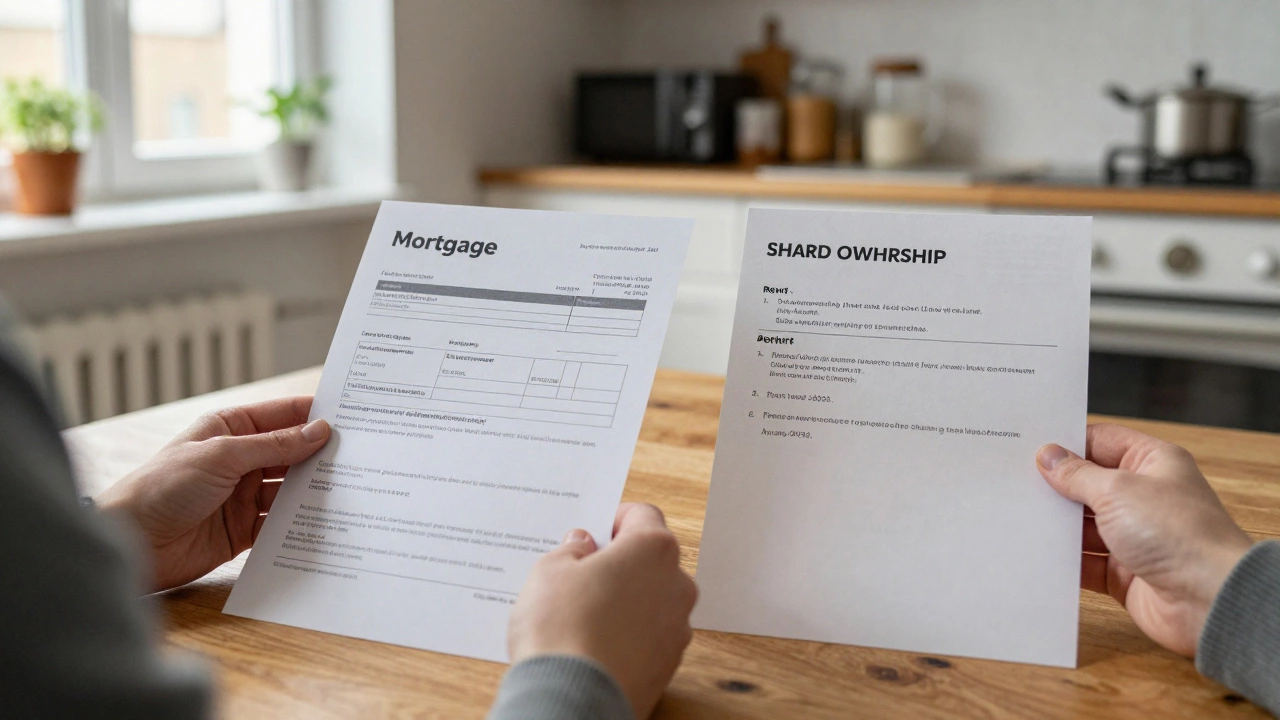
Combine the mortgage payment on your £60,000 share with the £350 rent, and you get a total monthly housing cost. Compare that number against what you’d pay for a full‑mortgage on the whole £200,000. Most buyers find the shared‑ownership route cheaper, especially early on.
When you’re ready to staircase, the price of the extra share is based on the current market value, not the original price you paid. This means you might need a larger deposit later, but the equity you’ve built up can help cover part of it.
To keep the process smooth, work with a mortgage adviser who knows shared ownership. They can match you with lenders that specialise in these loans and help you avoid hidden fees.
In short, shared ownership lets you get a foot on the property ladder without the huge cash outlay of a traditional purchase. By understanding how the share price and rent work together, you can plan a clear path to full ownership when the time is right.