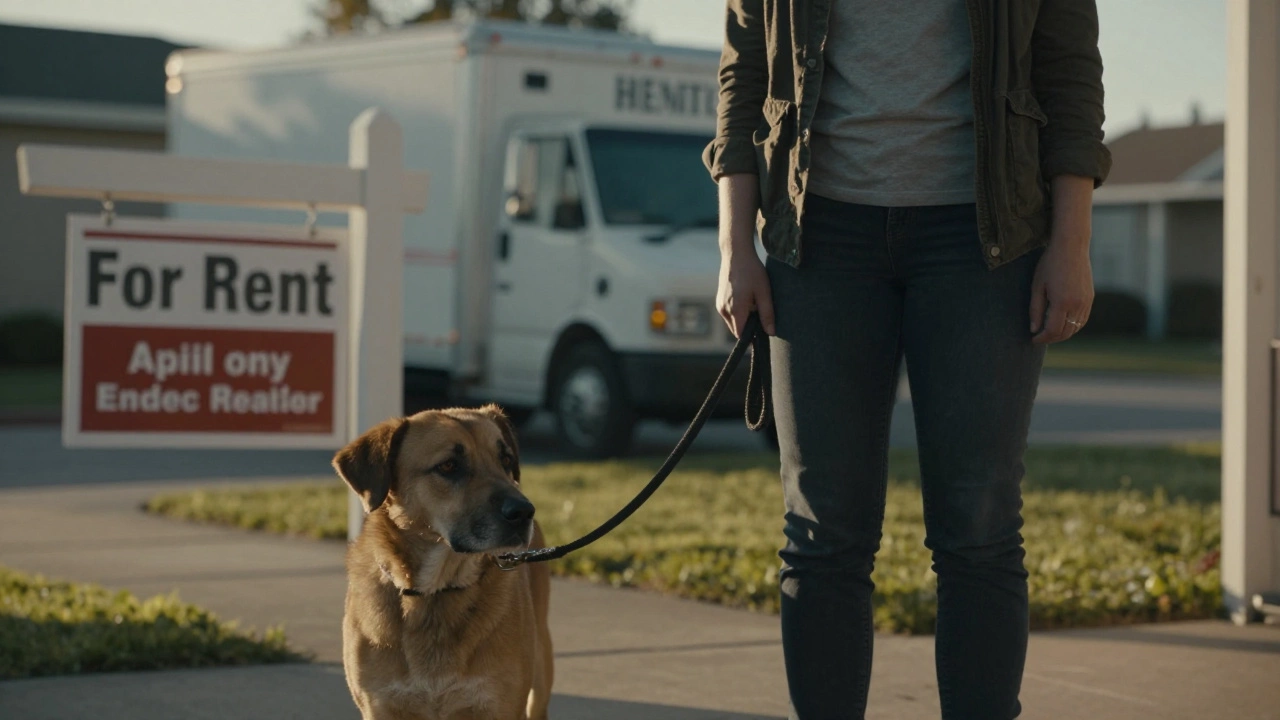
Every year, thousands of pets end up in shelters because their owners can’t keep them. And in New Zealand, a growing number of those pets were once loved companions in rental homes. Pet abandonment isn’t just about someone walking away from a dog or cat-it’s often the result of hidden pressures, misunderstandings, and systems that don’t support pet owners. If you’re renting and thinking about getting a pet, or if you already have one and are struggling, understanding what pet abandonment really means-and why it happens-could save a life.
Pet abandonment isn’t just leaving a dog at the door
People often think of pet abandonment as someone dumping an animal on the side of the road. But the truth is, most abandonment happens quietly. A tenant gets evicted because their landlord found out they had a dog. A family moves to a new rental and can’t find one that allows pets. A renter’s income drops after a job loss, and they can’t afford vet bills. So they take the pet to the shelter and say, ‘I can’t keep it anymore.’ That’s abandonment. It’s not always cruel intent-it’s often desperation wrapped in guilt.
In Auckland, animal shelters like the SPCA receive over 1,200 surrendered pets each year. About 30% of those are dogs and cats that were living in rental properties. Many of these animals had been with their families for years. They weren’t ‘problem pets.’ They were loyal, well-behaved companions-until the housing system failed them.
Why renters give up their pets
Let’s be clear: most pet owners don’t want to give up their animals. But the rules around renting with pets make it incredibly hard to keep them. Landlords often say no to pets outright, not because of damage or noise, but because they’re afraid of liability, cleaning costs, or losing future tenants. Some rental agreements ban pets without even asking if the pet is a small, quiet cat or a well-trained senior dog.
Here’s what actually pushes people to surrender:
- Strict no-pet clauses in leases that don’t allow exceptions-even if the pet is calm, vaccinated, and house-trained.
- Hidden fees or deposits that suddenly appear when a pet is discovered, forcing owners to pay hundreds extra.
- Landlord retaliation-like threatening eviction after a pet is found, even if the tenant followed all rules.
- Lack of pet-friendly housing-less than 15% of rental listings in Auckland openly welcome pets, and many of those come with unreasonable conditions.
- Cost of pet care-veterinary bills, grooming, and pet insurance add up. When rent goes up or wages drop, pets are often the first thing cut.
One woman in Mt. Roskill had a 12-year-old rescue dog named Baxter. She’d had him for eight years. When her lease wasn’t renewed, she spent six weeks searching for a new rental that allowed pets. She called over 40 landlords. Only two said yes-and both demanded a $1,500 pet bond on top of rent. She couldn’t afford it. She surrendered Baxter to the SPCA. He was adopted two weeks later. But she still cries when she talks about it.
What happens to abandoned pets
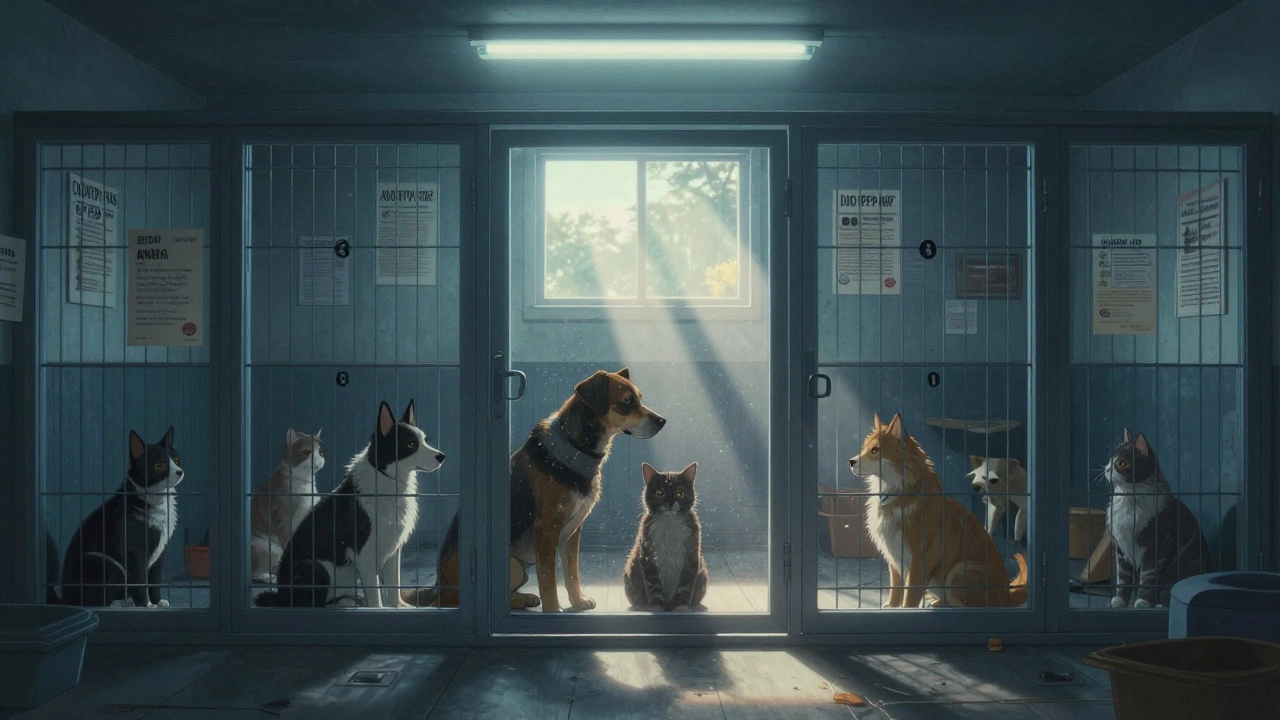
When a pet is surrendered, it doesn’t just get a second chance. It enters a system that’s stretched thin. Shelters are full. Many pets wait weeks or months for adoption. Some are euthanized-not because they’re sick or aggressive, but because there’s no space. In 2024, New Zealand shelters had to euthanize over 800 healthy, adoptable pets simply because they couldn’t find homes.
Even if a pet is adopted, the trauma doesn’t disappear. Abandoned dogs often become anxious, shy, or fearful of strangers. Cats hide under beds for days. Many develop behavioral issues because they’ve been through multiple homes. They’re not ‘bad’ pets. They’re hurt ones.
And here’s the cruel irony: most of these pets were never a problem in their first home. They didn’t chew furniture. They didn’t bark all night. They were just caught in a system that treats animals as optional extras-not family members.
How landlords and renters can change this
It doesn’t have to be this way. There are practical, fair solutions that protect both pets and property owners.
Landlords who allow pets aren’t taking a risk-they’re making a smart choice. Pet owners tend to stay longer in rentals. Studies from the UK and Australia show that tenants with pets are 30% more likely to renew their leases. They take better care of the property because they want to keep their home-and their pet.
Here’s what works:
- Allow pets by default-unless there’s a clear reason not to (like a small apartment with no yard for a large dog).
- Use pet interviews-meet the pet, ask about behavior, check vaccination records. Most pets are well-behaved.
- Charge a reasonable pet bond-not $1,500. $200-$300 is enough to cover minor damage, and it’s refundable if the property is returned in good condition.
- Include pet clauses in leases-clear rules about noise, waste, and vaccinations protect everyone.
For renters, it’s not about hiding your pet. It’s about being prepared. Bring a pet resume: vaccination records, references from past landlords, photos of your pet being calm indoors. Show you’re responsible. And if you’re denied, ask why. Many landlords just don’t know better.
What you can do right now
If you’re renting and have a pet:
- Keep records of your pet’s behavior, vet visits, and training. These help when you move.
- Ask your landlord for written permission-even if you think they’ve said yes. Protect yourself.
- Join local groups like Pets in Rental Homes NZ. They help tenants find pet-friendly rentals and push for policy change.
If you’re looking to rent:
- Use filters on rental sites that allow pets. Sites like Trade Me now have a ‘Pets Allowed’ toggle.
- Be upfront. Don’t hide your pet. It’s easier to find a place if you’re honest from the start.
- If you’re turned down, ask if the landlord would consider a pet bond or a trial period.
If you’re a landlord:
- Consider allowing pets. You’ll get more reliable tenants.
- Don’t assume all pets cause damage. Most don’t.
- Work with a property manager who understands pet-friendly renting.
It’s not about pets. It’s about belonging
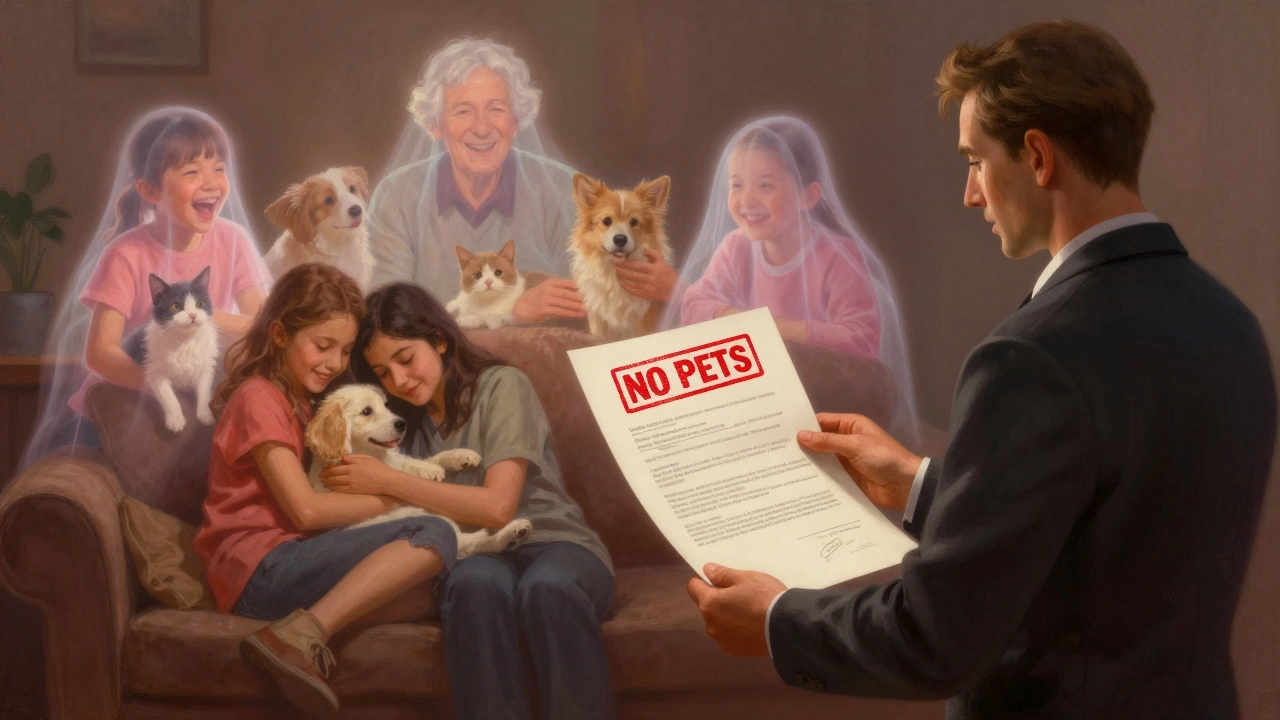
People don’t abandon pets because they don’t love them. They do it because they feel trapped. The housing system in New Zealand doesn’t treat pets as part of the family. It treats them like a liability. But pets are emotional anchors-for children, for seniors, for people going through hard times. Losing a pet because you can’t find a new rental isn’t just sad. It’s a failure of our community.
Changing that starts with one conversation. With your landlord. With your neighbor. With your local council. Pet abandonment isn’t inevitable. It’s a choice we make-by doing nothing, or by doing something.
Is it illegal to abandon a pet in New Zealand?
Yes. Under the Animal Welfare Act 1999, abandoning a pet is considered animal cruelty. It’s a criminal offense and can lead to fines of up to $30,000 or jail time. But enforcement is rare because most cases are reported as ‘surrenders’ to shelters, not outright abandonment. Still, if a pet is left behind without care or arrangement, it can be prosecuted.
Can landlords refuse pets in rental agreements?
Currently, yes. New Zealand’s Residential Tenancies Act doesn’t require landlords to allow pets. But the law does say tenants can request permission in writing. Landlords must respond within 14 days and can only refuse on reasonable grounds-like a large dog in a tiny flat or a history of damage. Many refusals are still unreasonable, and tenants have the right to challenge them through the Tenancy Tribunal.
What’s the difference between surrendering and abandoning a pet?
Surrendering means taking your pet to a shelter or rescue group with notice and care-usually because you can’t keep it. Abandoning means leaving the pet outside, on the street, or in a public place with no plan for its care. Surrendering gives the pet a chance. Abandoning puts its life at immediate risk. Both are heartbreaking, but only abandonment is a crime.
Are there pet-friendly rental listings in Auckland?
Yes, but they’re hard to find. About 12-15% of listings on Trade Me and OneRoof are marked as pet-friendly. Many more are silent on the issue. The best way to find them is to use the ‘Pets Allowed’ filter and contact landlords directly. Some property managers now specialize in pet-friendly rentals-search for ‘pet-friendly property management Auckland’ to find them.
What should I do if I’m forced to give up my pet?
Don’t abandon it. Contact the SPCA, Animal Welfare League, or local rescue groups. They can help you find a new home, offer temporary foster care, or connect you with resources like low-cost vet care or pet food banks. Some organizations even help with relocation costs if you’re moving to a pet-friendly home. Reaching out early gives your pet a better chance.
What comes next
Change is coming. In 2024, the New Zealand government launched a pilot program in Wellington to test pet-friendly rental guidelines. Landlords who participated saw higher tenant retention and fewer complaints. More cities are watching. If enough people speak up-renters, landlords, vets, shelter workers-we can rewrite the rules.
For now, if you rent and have a pet, you’re not alone. And you’re not failing. The system is. But together, we can make it better-one lease, one conversation, one pet saved at a time.