Pet Security Deposit Calculator
Calculate Your Pet Deposit
New Zealand landlords often require additional security for pets. This calculator helps you determine the appropriate amount based on standard bond and pet type.
Your recommended pet deposit:
$0.00
Enter details above to see calculation
Important: In New Zealand, landlords can only refuse pets for valid reasons (allergies, prior damage). This calculator shows the standard additional deposit to negotiate with your landlord.
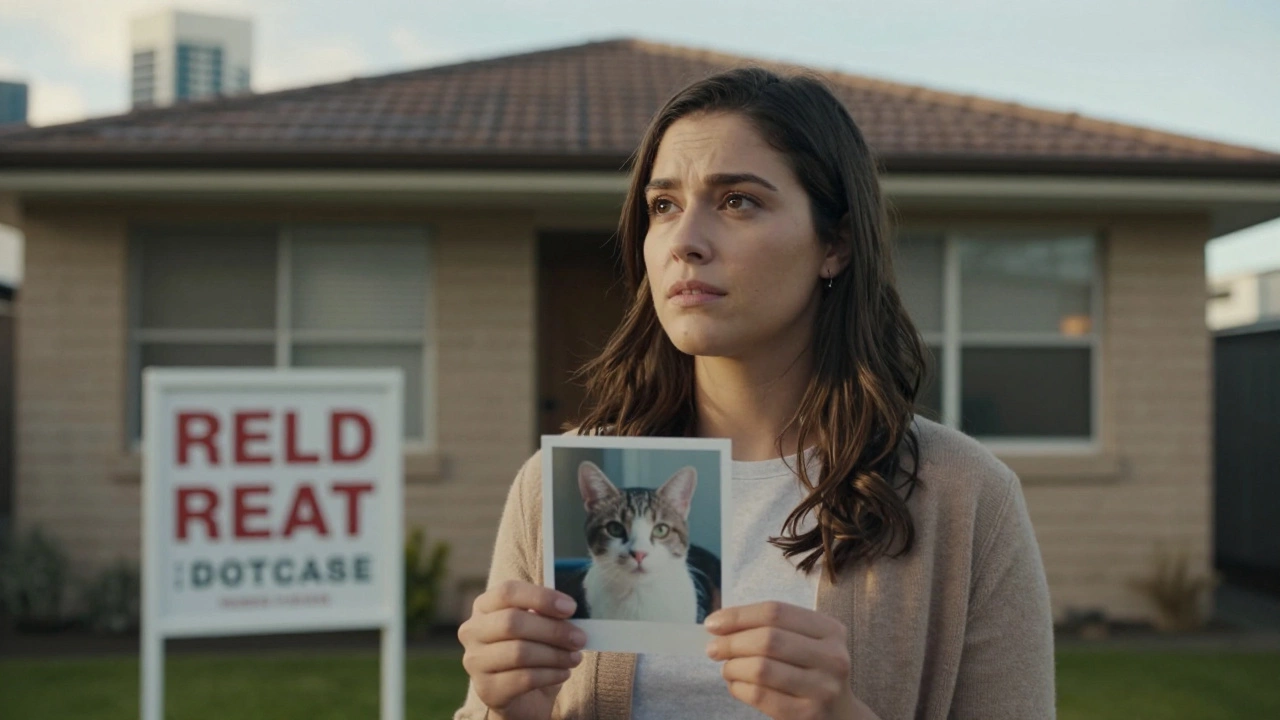
Imagine you’ve found the perfect rental in Auckland. The location is ideal, the price fits your budget, but the ad says ‘no pets allowed’. Before you walk away, there’s a way to make it work. Landlords in New Zealand can’t just say no without reason. With the right approach, you can turn that ‘no’ into a ‘yes’ for renting with pets.
Why Landlords Ban Pets (And Why It’s Not Always Final)
Most landlords have no-pet policies to avoid damage, noise complaints, or allergen issues. But under New Zealand law, they must consider requests reasonably. The Residential Tenancies Act 1986 governs rental agreements and requires landlords to respond to pet requests fairly. Many landlords are open to discussions when tenants address their concerns upfront.
Step-by-Step: How to Approach Your Landlord
Here’s what actually works in practice:
- Do your homework first - Check if the landlord has ever allowed pets. Some properties have exceptions for small animals or cats.
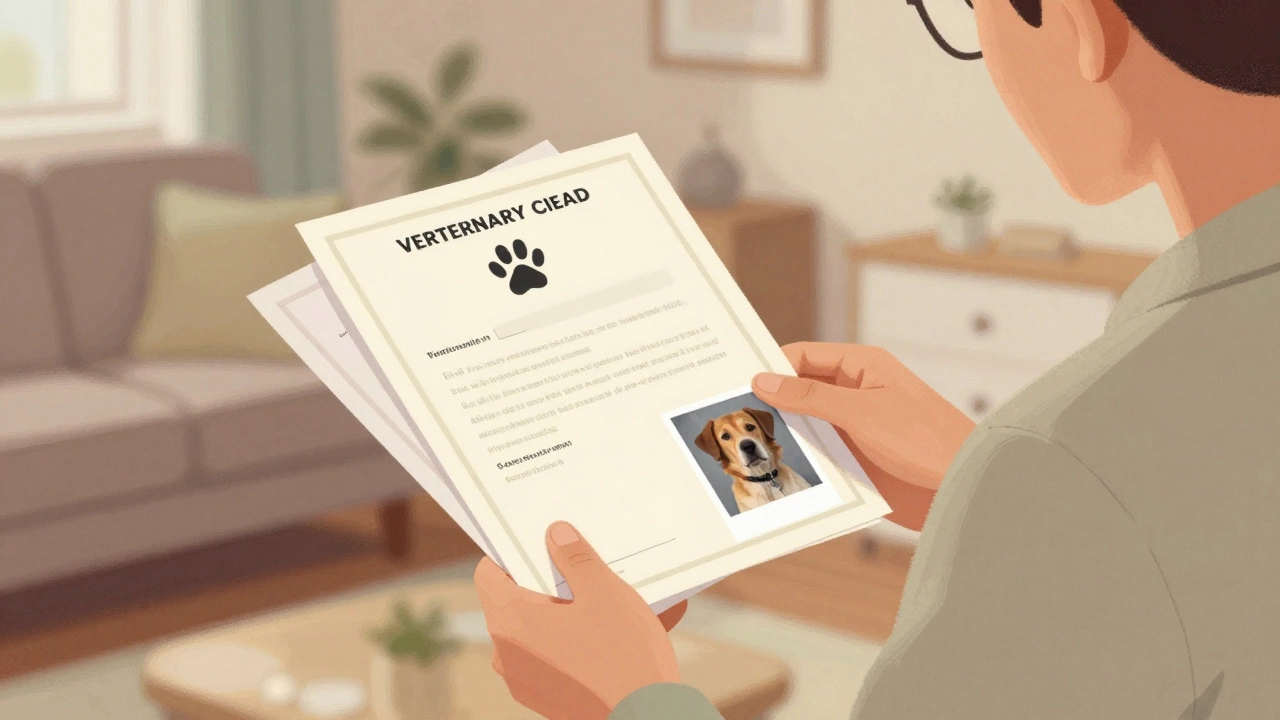
- Create a pet resume - Include photos, vet records showing vaccinations, a letter from your previous landlord confirming no issues, and details about your pet’s behavior. For example, a dog that’s crate-trained and housebroken.
- Offer a higher security deposit - In Auckland, offering an extra $300-$500 specifically for pet-related damages is common. This shows you’re serious about protecting the property.
- Purchase pet insurance - Policies from companies like Petcover offers NZ-specific coverage for rental damage can cover accidental damage, giving landlords peace of mind.
- Propose a trial period - Suggest a 3-month trial where you agree to pay a higher rent for the pet. If no issues arise, it becomes permanent.
Legal Rights in New Zealand
New Zealand’s Tenancy Services is the government agency that oversees rental agreements and tenant rights states landlords must respond to pet requests within 14 days. They can’t refuse without a valid reason, like allergies or previous damage from pets. If your landlord says no, ask for the specific reason. If it seems unreasonable, you can contact Tenancy Services for advice.
What If They Still Say No?
Don’t give up. Look for pet-friendly rentals in Auckland. Websites like Trade Me Property has filters for pet-friendly listings or ask agents directly. Some landlords are open to pets but don’t advertise it. Also, consider smaller properties like apartments where pets are more common.

Real Example from Auckland
A couple in Ponsonby recently negotiated with their landlord for their cat. They provided vet records, a reference from their previous landlord, and offered a $400 pet-specific deposit. The landlord agreed after reviewing the documents. They signed a clause in the rental agreement stating the deposit would cover any damage, and the cat has been living there for over a year with no issues.
Common Mistakes to Avoid
- Don’t hide your pet - If discovered, you could face eviction. Always disclose upfront.
- Avoid generic requests - Saying “my pet is well-behaved” isn’t enough. Show proof with vet records or references.
- Don’t skip the paperwork - Get any pet agreement in writing. Verbal promises aren’t legally binding.
Can a landlord refuse pets in New Zealand?
Yes, but only for valid reasons like allergies or previous damage. Landlords can’t refuse without a clear explanation. Under the Residential Tenancies Act 1986, they must respond to requests within 14 days and provide a written reason if they say no.
How much extra security deposit should I offer for a pet?
Typically $300-$500 in Auckland, specifically for pet-related damage. This is separate from your standard bond. Make sure the agreement states this is only for pet damage, not general wear and tear.
What should I include in a pet resume?
Photos of your pet, up-to-date vet records (including vaccinations), a letter from your previous landlord confirming no issues, and details about your pet’s behavior. For dogs, include training certifications; for cats, mention litter box habits and quietness.
Are there any legal protections for tenants with pets?
Yes. The Residential Tenancies Act 1986 requires landlords to consider pet requests reasonably. If they refuse without valid reasons, Tenancy Services can help mediate. You also have the right to request a written explanation for any refusal.
What if my landlord says no to my pet?
Ask for the specific reason. If it’s not valid (like "just don’t like pets"), contact Tenancy Services. Otherwise, start looking for pet-friendly rentals. Websites like Trade Me Property have filters for pet-friendly listings, and some landlords are open to pets but don’t advertise it.