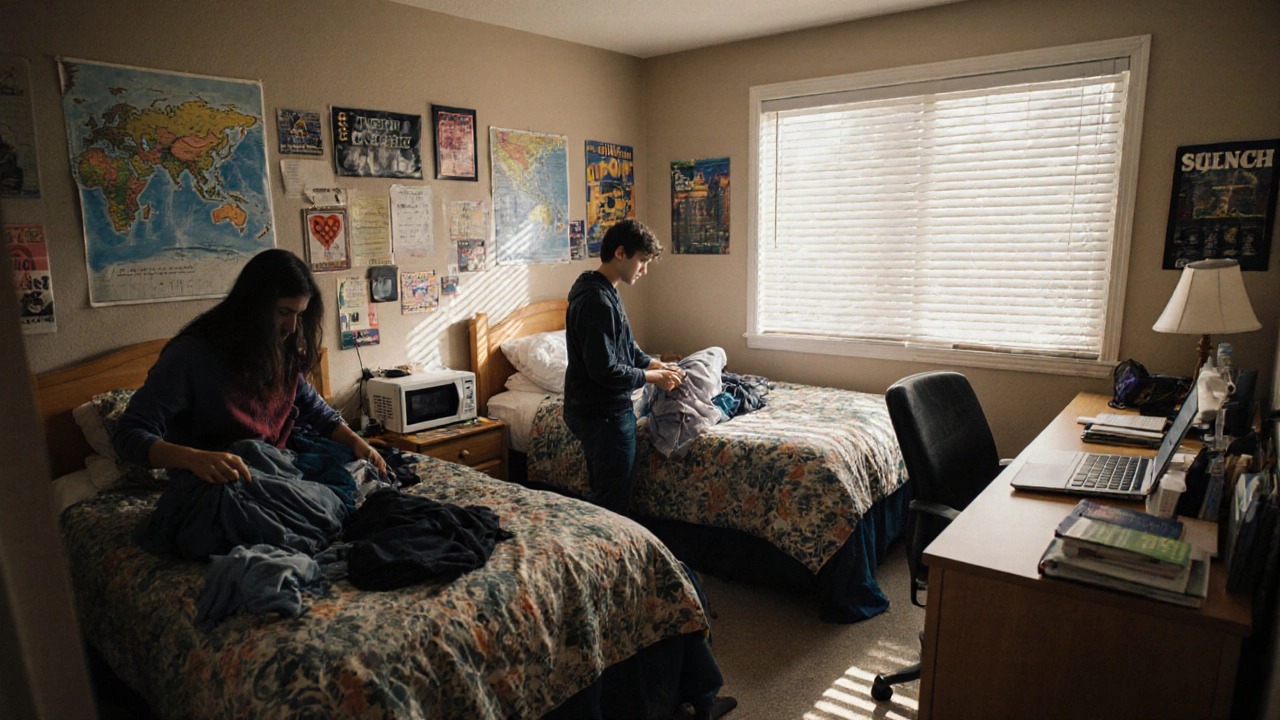
Off-Campus Student Housing
When you’re a student looking for a place to live, off-campus student housing, a private rental property located outside university-owned dorms or student residences. Also known as student rentals, it gives you more freedom but also more responsibility—no more meal plans, no built-in social events, just you, your lease, and your rent check. Unlike dorms, where everything’s handed to you, off-campus living means you’re in charge of utilities, internet, groceries, and even cleaning schedules. It’s not just about finding a room—it’s about building a life that fits your budget, your schedule, and your sanity.
Many students choose off-campus housing because it’s cheaper than dorms, especially if you split rent with roommates. But it’s not always straightforward. You’ve got to read the lease like a detective—some landlords charge extra for water or internet, or limit how many people can live there. And don’t assume the place is safe just because it’s close to campus. Check the neighborhood at night. Ask current tenants if the heat works in winter. Look for places with working locks, good lighting, and clear rules about guests—because nothing kills a good semester faster than a noisy party you didn’t invite.
There’s also the question of student accommodations, housing specifically designed or marketed to meet the needs of students, often with shared kitchens, study areas, or flexible leases. These aren’t always owned by the school. Some are run by private companies that know students want short-term leases, furnished rooms, and laundry on-site. Others are just regular houses where the landlord learned that renting to students is steady income. The key difference? Student accommodations usually come with rules: no pets, no parties after 10 PM, no cooking greasy food in the kitchen. And if you break them? You could lose your deposit—or your room.
Then there’s the rental housing for students, any privately owned property rented to students, whether it’s a basement apartment, a shared house, or a studio above a shop. This is the wild west of student living. Some landlords treat you like family. Others treat you like a paycheck. You’ll need to know your rights—like how much notice they need to give before raising rent, or whether they can walk in without asking. In the UK, landlords must protect your deposit in a government scheme. If they don’t? You can sue for up to three times the deposit amount. That’s not a rumor. That’s the law.
Most students don’t realize how much time they’ll spend dealing with landlords, repair requests, and roommate conflicts. One person leaves early and doesn’t pay their share. Another brings home a dog even though the lease says no pets. Someone leaves dishes in the sink for weeks. These aren’t rare problems—they’re normal. That’s why the best off-campus housing isn’t the cheapest or the fanciest. It’s the one where you can talk to your housemates without fear, where the landlord responds in 24 hours, and where the boiler doesn’t die in January.
What you’ll find below are real stories and practical guides from students who’ve been there. You’ll learn how to negotiate a lease without getting scammed, how to split bills fairly, where to find hidden costs, and how to avoid the worst landlords. Some posts talk about living with 5 other people in a 3-bedroom house. Others show you how to get your deposit back after graduation. One even explains how to convince your landlord to let you keep your cat. This isn’t theory. It’s what actually works when you’re living on student loans and ramen.