Dog Permission Calculator
Your Dog's Traits
Host's Concerns
Compatibility Assessment
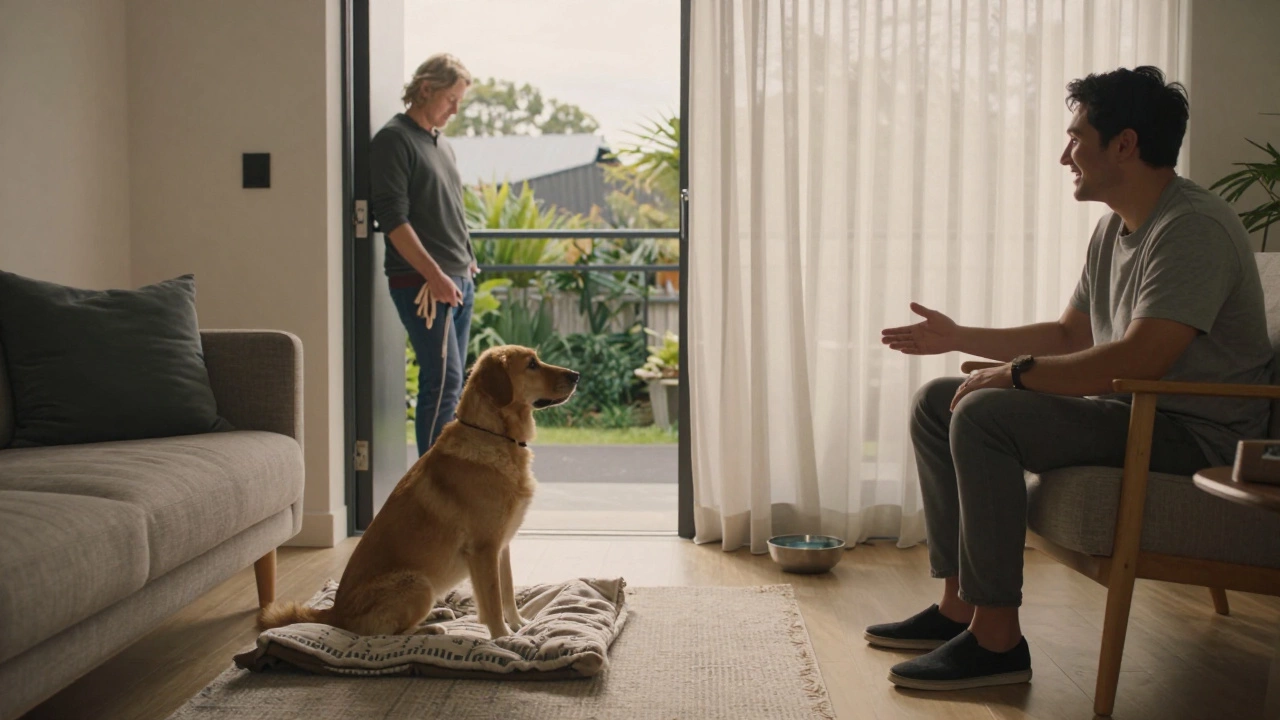
Asking if you can bring your dog to someone’s house isn’t rude-it’s smart. But how you ask matters more than the question itself. In Auckland, where nearly 60% of households have a pet, dog owners are used to navigating this social gray zone. The problem isn’t the question. It’s the timing, tone, and assumptions behind it.
Why This Question Feels Awkward
People don’t mind dogs. They mind surprises. You show up with a 40-pound labrador who’s never met their cat, and suddenly you’re the reason their living room smells like wet fur and their guest bed has dog hair stuck to the sheets. That’s not your fault-it’s a lack of communication. Most hosts aren’t anti-dog. They’re anti-unknowns. They don’t know if your dog barks at doorbells. If they’re allergic. If your pup has a habit of chewing shoes or jumping on the couch. And if they’ve had a bad experience before-say, a dog that peed on their rug during a birthday party-they’re extra cautious.When to Ask (And When Not To)
Don’t wait until you’re already at the door. Don’t text at 7:45 p.m. the night before: “Hey, can I bring Bear?” That’s not a request. That’s a demand wrapped in last-minute guilt. Ask early. Ideally, when you’re confirming attendance. Something like:- “I’m looking forward to Friday! I’ll be bringing my dog, Luna. Is that okay? She’s calm, house-trained, and doesn’t jump on furniture.”
- “Just checking in-would it be alright if I brought my pup? I know not everyone’s comfortable with pets, so no worries if it’s a problem.”
What Hosts Really Want to Know
You think they care about breed or size. They don’t. They care about behavior. Here’s what they’re silently asking:- Is your dog trained? Not just “sit”-but can they stay quiet when someone rings the bell?
- Do they have accidents? Even one incident can ruin trust.
- Are they friendly with kids or other animals? A gentle dog is fine. A reactive one? Not welcome.
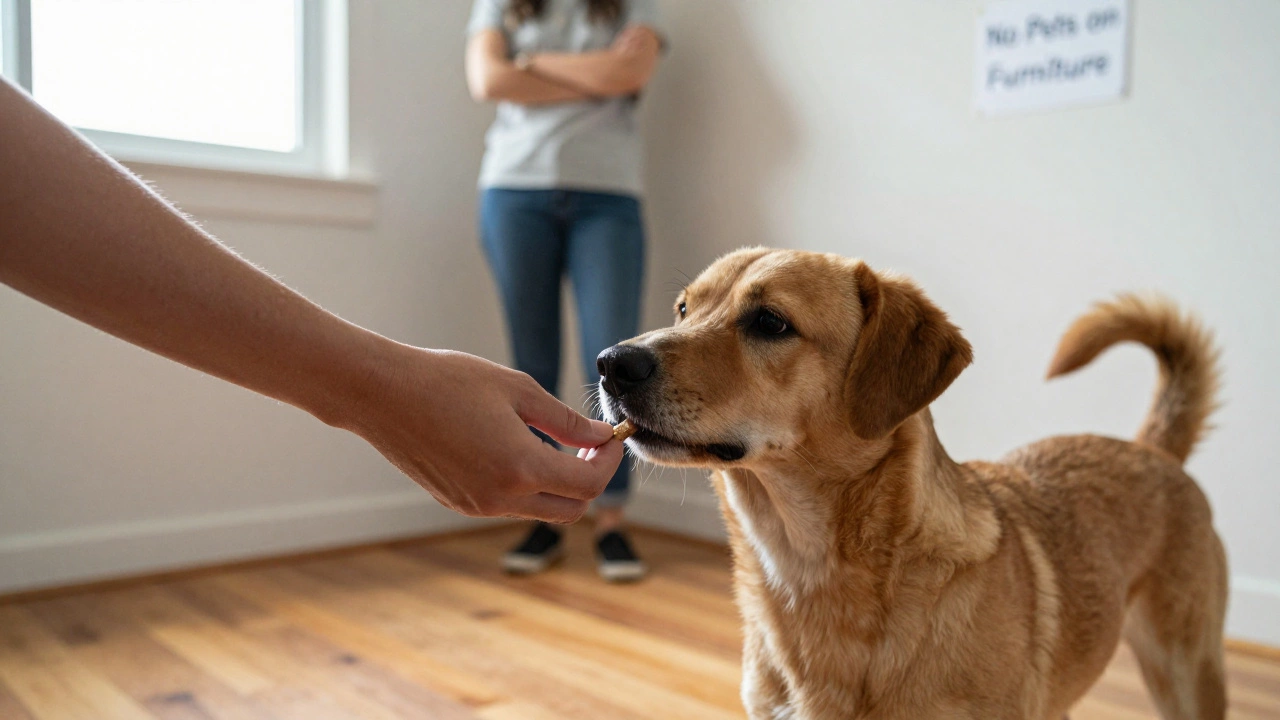
- Will they be on the couch or bed? Many hosts have a “no pets on furniture” rule-even if they never say it out loud.
What If They Say No?
It stings. Especially if you’ve been looking forward to bringing your dog. But a “no” isn’t personal. It’s practical. If someone says no, thank them for being honest. Don’t argue. Don’t say, “But my dog’s perfect!” That’s not the point. Their home, their rules. Maybe they have a guest with allergies. Maybe their cat gets stressed. Maybe their landlord forbids pets entirely. And here’s the thing: if you push back, you’re not defending your dog. You’re undermining your own credibility. People remember how you handled the “no.” A gracious response means you’ll be invited back-with or without your dog.Bringing Your Dog to a Rental
This question comes up often in renting too. Tenants assume that if a place allows pets, then every host in that building is fine with dogs. That’s not true. A landlord might allow pets, but the building manager might ban them from common areas. Or the neighbor downstairs might have a hearing impairment and can’t tolerate barking. In Auckland, rental agreements often include a “pet clause.” But even if it says “pets allowed,” you still need to ask your host if you can bring your dog to their place. That’s not extra work-it’s respect.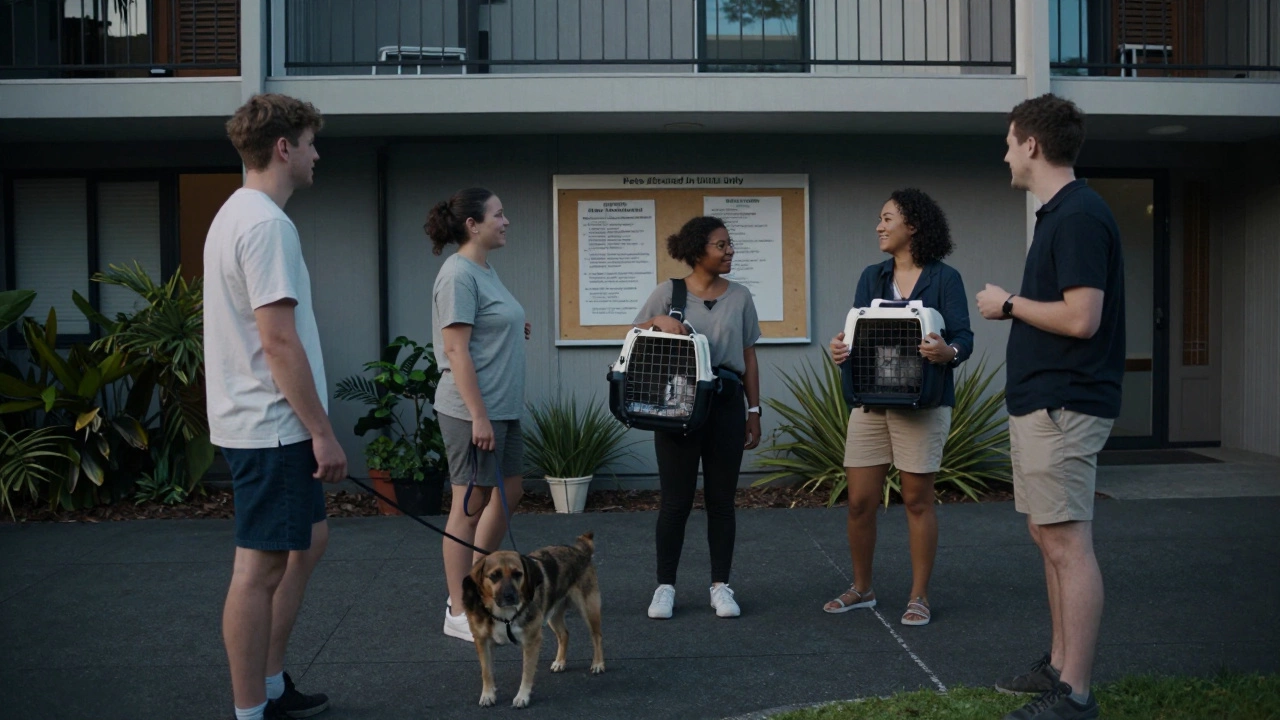
How to Be the Dog Owner Everyone Wants to Invite
Here’s the checklist for being the dog owner who gets invited back:- Ask early, not last-minute.
- Give details: size, temperament, training level.
- Bring your own blanket or towel for your dog to sit on.
- Keep treats handy to redirect unwanted behavior.
- Clean up immediately if there’s an accident-don’t wait to be asked.
- Don’t let your dog beg at the table. Ever.
- Offer to take your dog out for a walk if they’re getting restless.
Why This Matters Beyond Etiquette
This isn’t just about manners. It’s about access. In New Zealand, over 70% of rental listings still say “no pets.” That’s not because landlords are cruel. It’s because they’ve been burned. One bad experience with a dog that scratched the floors or barked all night makes them lock the door on every pet owner. When you handle this right-when you ask politely, behave responsibly, and respect boundaries-you’re not just protecting your dog’s chances. You’re helping make housing more accessible for everyone with a pet.Final Thought: It’s Not About the Dog. It’s About Trust.
People don’t say no to dogs. They say no to uncertainty. When you give them clear, honest, upfront information, you turn a potential conflict into a moment of connection. Your dog becomes part of the story-not the problem. Next time you’re invited somewhere, don’t just ask if you can bring your dog. Ask like you mean it. Like you care about their home as much as your pup’s happiness. That’s the kind of respect that builds community. And that’s the kind of dog owner everyone wants to have over.Is it rude to bring your dog to someone’s house without asking?
Yes. Bringing your dog without asking is considered inconsiderate, even if your dog is well-behaved. Hosts may have allergies, phobias, or house rules that aren’t obvious. Always ask first-even if the place is labeled “pet-friendly.”
What if my dog is well-trained? Do I still need to ask?
Yes. Training doesn’t eliminate risk. A calm dog can still trigger allergies, knock over a fragile item, or scare a nervous child. Your dog’s behavior matters, but the host’s comfort matters more. Asking shows you respect their space.
Can I bring my dog to a rental property if the lease says pets are allowed?
Not automatically. A lease allowing pets means your landlord permits them in your unit-not that every person you visit in the building is okay with them. Common areas, neighboring units, or even the building manager may have restrictions. Always check with the host before bringing your dog to their home, even in pet-friendly buildings.
How do I ask if I can bring my dog without sounding demanding?
Use a polite, open-ended approach: “I’d love to bring my dog, Luna. She’s calm and house-trained-would that be okay? No worries if not!” This gives them an easy out and shows you’re considerate, not entitled.
What should I do if someone says no to my dog?
Thank them sincerely. Don’t argue, make excuses, or guilt-trip them. Say, “I completely understand-thanks for letting me know.” Your response will be remembered more than your dog’s behavior. It keeps the door open for future visits, even without your pup.