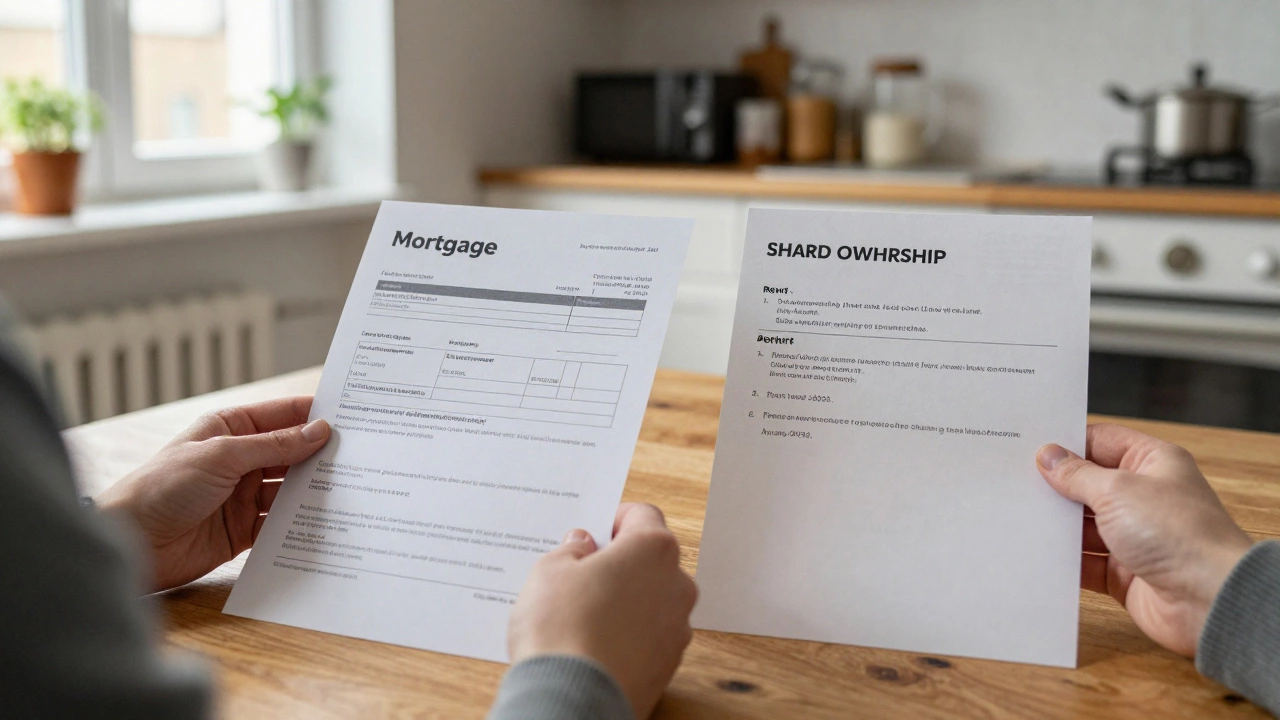
Shared Ownership Rent Calculator
When you buy a home through shared ownership, you’re not buying the whole thing. You’re buying a piece of it - usually between 25% and 75% - and paying rent on the part you don’t own. So the big question is: how do owners get paid? The answer isn’t as simple as a paycheck. It’s about rent, equity, and long-term planning.
Who Gets Paid, and How?
In shared ownership, there are two main parties: you, the homeowner, and the housing association (or other approved provider) that owns the rest of the property. The housing association doesn’t get paid by you in the way a landlord gets rent from a tenant. Instead, you pay them rent on the portion of the home you don’t own.
For example, if you own 50% of a £300,000 home, you pay a mortgage on your half. The other half is still owned by the housing association. You pay monthly rent on that 50% - usually around 2.75% of the value per year. So that’s about £687 a year, or £57 a month. That rent goes directly to the housing association. It’s their income for letting you use part of their asset.
But here’s the twist: you’re not just paying rent. You’re also building equity. Every time you pay your mortgage, you’re increasing your share of the home. And every time you pay rent, you’re helping the housing association cover maintenance, insurance, and administrative costs. That rent isn’t wasted. It’s the price of access.
What Happens When You Buy More Shares?
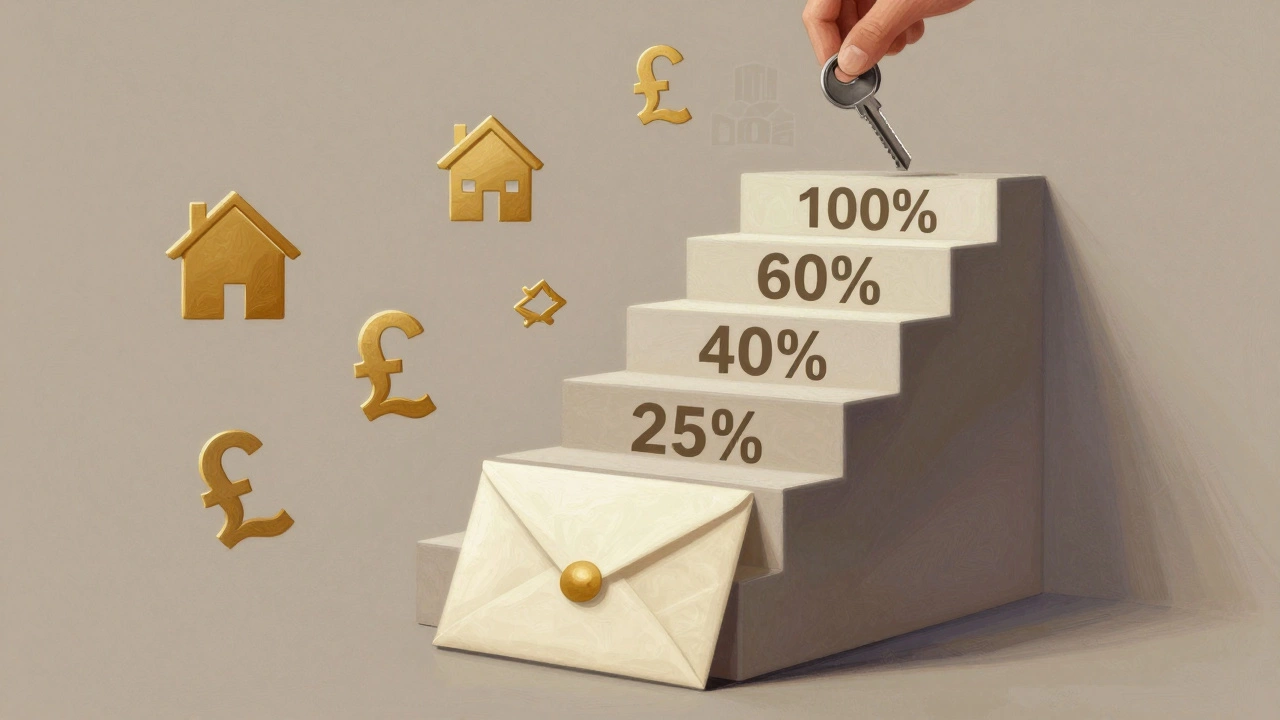
One of the biggest advantages of shared ownership is staircasing - the ability to buy more shares over time. You can buy 10% more, then another 15%, until you own 100%. Each time you do, your rent goes down.
Let’s say you start with 40% ownership. Your rent is based on the remaining 60%. After your first staircasing step to 60%, your rent drops to cover only the 40% the housing association still owns. That means your monthly payments drop - not because your mortgage went down, but because you’re paying less rent.
When you buy more shares, the housing association gets paid in cash. You pay them the market value of the extra percentage you’re buying. That money goes into their reserve fund. It helps them build more affordable homes. So yes - they get paid. But it’s not profit. It’s reinvestment.
How Do Housing Associations Make Money?
People often assume housing associations are charities that operate at a loss. They’re not. They’re social enterprises. Their goal isn’t to get rich. But they need to stay solvent.
They make money from three places:
- Rent on unsold shares - the ongoing income from tenants who haven’t bought out.
- One-time payments from staircasing - cash from buyers increasing their ownership.
- Government grants and subsidies - funding to build new shared ownership homes.
They don’t profit from selling homes. They sell at market value. The difference between what they paid to build and what you pay to buy is minimal. Their real income comes from rent. And that rent? It’s what keeps the whole system running.
What About Selling Your Home?
If you decide to sell, the housing association has the right to find a buyer first. This is called the ‘nomination period’. They have 8 to 12 weeks to find someone eligible for shared ownership. If they can’t, you can sell on the open market.
When the home sells, you get back your share of the sale price. If you own 70%, you get 70% of the profit. The housing association gets 30%. But here’s the catch: if you haven’t staircased to 100%, you still owe them rent up until the day you sell. That rent is deducted from your share before you get paid.
For example: You own 60% of a home that sells for £350,000. You get £210,000. But you still owe £800 in unpaid rent. So you walk away with £209,200. The housing association gets £140,000. That’s their cut - not because they own the house, but because they still own 40% of it.
Who Pays for Repairs and Maintenance?
This is where people get confused. You pay for repairs inside your home - like a broken boiler or a leaky roof over your bedroom. But if the building’s structure needs fixing - the walls, the roof, the foundations - that’s the housing association’s job.
They cover those costs using the rent you pay. That’s why your rent includes a service charge. It’s not just for the land. It’s for the building. If they didn’t collect this, shared ownership homes would fall apart.
Some providers split this into two payments: rent and service charge. Others roll it into one. Either way, it’s money that keeps the building safe. And yes - that money goes to the housing association. It’s not a fee. It’s a responsibility.
What Happens If You Can’t Pay?
Shared ownership isn’t a free ride. If you fall behind on rent or mortgage payments, the housing association can take action. They’re not banks. They don’t want to evict you. But they can’t keep the lights on if no one pays.
Most associations offer support - payment plans, advice, referrals to debt counselors. But if you don’t respond, they can begin legal steps. That’s not punishment. It’s protection. The system only works if everyone pays their share.
Is This Fair?
It’s not perfect. Rent can feel like a second mortgage. Staircasing can be expensive. And if property values drop, you could owe more than your share is worth.
But here’s the truth: without shared ownership, tens of thousands of people in New Zealand - and across the UK - would have no path to homeownership. It’s not about making money for housing associations. It’s about making homes possible.
Owners get paid? Not directly. But the system pays them back in stability, equity, and control. You don’t get rich from shared ownership. But you do get a home. And that’s worth more than cash.
What Happens to the Rent When You Own 100%?
Once you own the whole property - after staircasing all the way to 100% - you stop paying rent. That’s the whole point. You’ve bought out the housing association. Your only payment is your mortgage (if you still have one) and your council tax, insurance, and service charges.
Some people think they’ll keep paying rent forever. That’s not true. The system is designed to let you leave it behind. The rent was always a stepping stone, not a life sentence.
Can You Ever Lose Your Home?
Yes - but only if you stop paying. If you miss mortgage payments, your lender can repossess. If you miss rent, the housing association can take legal action. But they’ll work with you first. They’ve got no interest in taking homes. Their job is to help people keep them.
That’s why most providers offer free financial advice, budgeting tools, and emergency payment plans. They’re not landlords. They’re partners.